Total Pageviews

Showing posts with label antique stores. Show all posts

Monday, March 24, 2025

"Buy Antique in Nepal: Your Ultimate Nepal Antique Shopping Guide for Authentic Nepalese Antiques"

Nepal, a land of ancient traditions and spiritual heritage, is a treasure trove for antique collectors. From intricately carved wooden statues to vibrant Thangka paintings, the country’s markets offer a glimpse into centuries of artistry. Whether you’re a seasoned collector or a curious traveler, this guide will help you navigate Nepal’s antique scene, avoid pitfalls, and bring home authentic Nepalese antiques responsibly.


Why Nepal is a Haven for Antique Buyers

Nepal’s history as a crossroads of Tibetan, Indian, and Himalayan cultures has left behind a rich legacy of art and artifacts. Items like Buddhist statuesNewari wood carvings, and paubha (religious scrolls) are highly sought after. However, buying antiques here requires knowledge of local markets, authenticity checks, and legal guidelines.


Best Places to Buy Antiques in Nepal

1. Kathmandu: The Heart of Antique Trade

  • Asan Bazaar: A bustling market for traditional handicrafts and small antiques.

  • Durbar Square Area: Shops near Kathmandu Durbar Square sell brass idols, vintage jewelry, and ritual items.

  • Specialist Galleries: High-end galleries in Thamel and Lazimpat offer certified Thangka paintings and Buddhist artifacts.

2. Patan (Lalitpur): For Newari Craftsmanship

  • Patan Durbar Square: Famous for authentic Nepalese antiques like metal statues and carved windows.


  • Hakha Bazaar: A hidden gem for antique coins and traditional utensils.

3. Bhaktapur: Timeless Woodwork

  • Taumadhi Square: Discover centuries-old wooden carvings and pottery.

  • Local Workshops: Commission custom pieces directly from artisans.


Types of Authentic Nepalese Antiques to Buy

  1. Thangka Paintings: Religious scrolls depicting Buddhist deities (look for hand-painted details and natural pigments).

  2. Metal Statues: Bronze or copper Buddha and Hindu deity idols.

  3. Newari Wood Carvings: Doors, windows, and masks with intricate designs.

  4. Vintage JewelryTibetan silver necklaces and coral-beaded bracelets.

  5. Ritual Objects: Singing bowls, dorjes (ritual scepters), and prayer wheels.


5 Tips to Ensure Authenticity

  1. Check Materials: Authentic brass or bronze statues feel heavy and have a dull patina.

  2. Ask for Provenance: Reputable sellers provide details about an item’s history.

  3. Avoid “Too New” Items: Fakes often lack wear marks or have overly bright colors.

  4. Look for Certificates: The Department of Archaeology Nepal issues export licenses for verified antiques.


  5. Consult Experts: Hire a local guide or appraiser if unsure.


Legal Guidelines for Buying Antiques in Nepal

  • Cultural Heritage Act: Exporting items over 100 years old is illegal without government permission.

  • Required Documents:

    • Certificate of Authenticity from the seller.

    • Export permit from the Department of Archaeology (apply in Kathmandu).

  • Banned Items: Sacred artifacts, ancient manuscripts, and archaeological relics.


Sample Price Ranges (2024)

  • Small brass statues: 50200

  • Hand-painted Thangka3002,000+ (size/quality-dependent)

  • Vintage jewelry: 20500

  • Newari wood carvings: 1501,500


Ethical Buying Practices

  • Support local artisans by buying directly from workshops.

  • Avoid items that may have been looted from temples or shrines.

  • Prioritize sellers who promote fair trade and cultural preservation.


FAQ: Nepal Antique Shopping Guide

Q: Can I bargain in Nepalese antique markets?
A: Yes! Start at 40% of the quoted price and negotiate politely.

Q: How do I ship antiques home safely?
A: Use reputable couriers, insure the package, and pack items in shock-proof materials.

Q: Are there fake antiques in Nepal?
A: Unfortunately, yes. Stick to certified shops and avoid overly touristy areas.

Q: What’s the best time to visit Nepal for antique shopping?
A: October–December, when markets are stocked post-monsoon.


Final Thoughts

Buying antiques in Nepal is a journey through time, but it demands caution and respect for local laws. Focus on authentic Nepalese antiques from ethical sources, and you’ll own a piece of the Himalayas that carries both beauty and history.


Pro Tip: Pair your shopping with cultural tours! Visit Patan Museum or the National Museum of Nepal to better understand what you’re buying.


"Discover how to buy antique in Nepal with our 2024 guide! Explore markets, verify authentic Nepalese antiques, and learn export laws for a seamless shopping experience."

antique stores,antique malls,

antique shop, antiques roadshow,antique roadshow,antique roadhouse tv show,antique bakery hoboken

Saturday, May 6, 2023

Sell Everything Here

Discover Timeless Treasures: Antique Collection for Sale


Step into a world of elegance and nostalgia with our exquisite collection of antiques. Each piece tells a unique story, crafted with artistry and precision that has stood the test of time.

Highlights of Our Collection:

  • Rare Finds: From Victorian furniture to Art Deco decor, each item has been carefully curated for its historical significance and aesthetic charm.

  • Quality Craftsmanship: Experience the unmatched quality of hand-carved wood, intricate metalwork, and delicate porcelain that reflects the craftsmanship of a bygone era.

  • Unique Character: No two pieces are alike. Embrace the imperfections that add character and authenticity, making each item a true conversation starter.

  • Perfect for Collectors and Decorators: Whether you’re a seasoned collector or looking to enhance your living space, our antiques are versatile additions that elevate any room.

Why Buy Antique? Investing in antiques is not just about acquiring beautiful items; it’s about owning a piece of history. These treasures appreciate in value and bring a sense of sophistication to modern lifestyles.

antique stores,antique malls,antique shop,antiques roadshow,antique roadshow,antique roadhouse tv show,antique bakery hoboken,

Wednesday, May 20, 2020

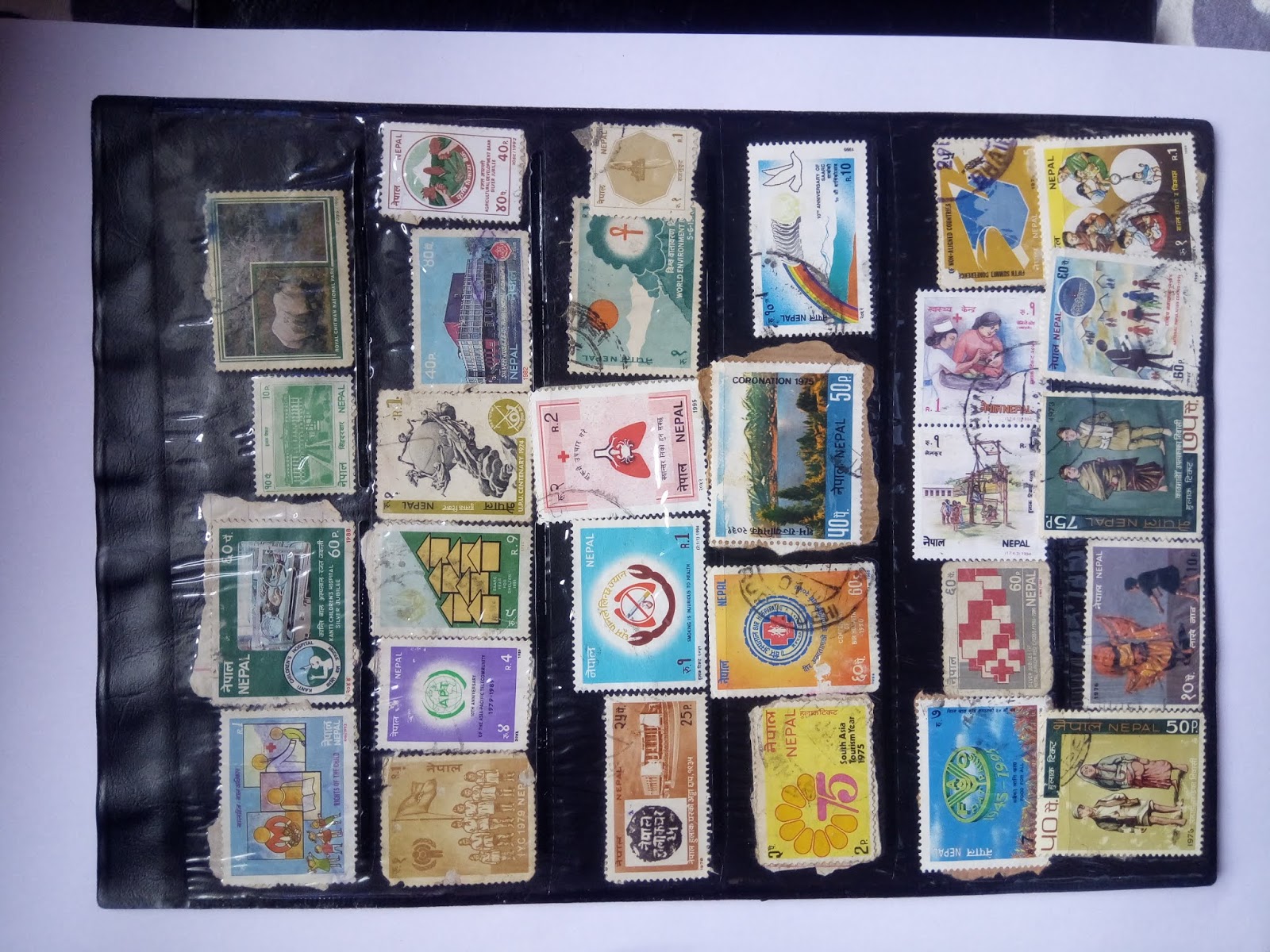
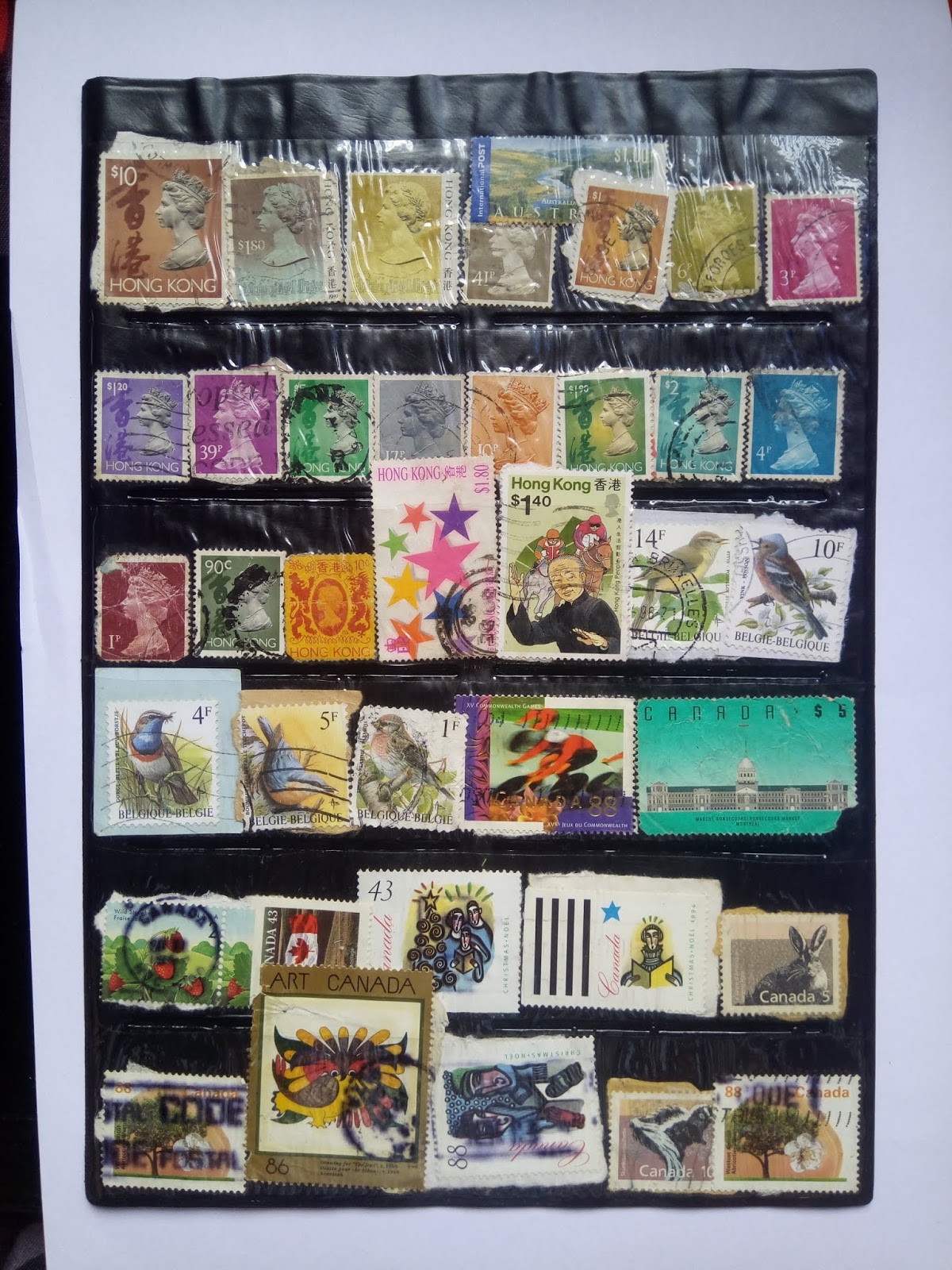
Check Out 1000+ Stamps from Across the World!!! buy directly

Contact +977-9846041140 The Hidden Wealth of Nepal’s Antique Stamps: A Collector’s Guide to History and Value Meta Description: Uncover the secrets of Nepal’s antique stamps, from the 1881 “Sripech” issues to rare telegraph-era gems. Learn about their historical significance, market value, and tips for collectors. Introduction: Stamps as Historical Artifacts Nepal’s antique stamps are more than just postage—they are windows into the Himalayan kingdom’s political evolution, cultural heritage, and artistic ingenuity. Since the first stamps were issued in 1881 under the Rana dynasty, these tiny artifacts have become prized by collectors for their rarity, unique designs, and historical narratives. This guide explores the journey of Nepal’s philatelic treasures, their global value, and how to identify hidden gems in your collection. Section 1: The Birth of Nepal’s Postal System Pre-Stamp Era: Runners and Royal Messengers Long before stamps, Nepal’s postal system relied on horse-mounted messengers during King Prithvi Narayan Shah’s reign (1742–1774). By the mid-19th century, the Rana dynasty formalized postal routes, connecting Kathmandu with cities like Pokhara and Palpa 5. The First Stamps (1881): A Revolutionary Leap In 1881, Prime Minister Ranaudip Singh introduced Nepal’s first postage stamps, printed on a press imported by Jung Bahadur Rana. The inaugural set featured three denominations: 1 Anna (ultramarine) 2 Annas (purple) 4 Annas (green) These stamps, inscribed with “Shri Gorkha Sarkar” (Government of Gorkha), depicted the Sripech (royal headdress) and crossed Khukris (traditional Gurkha knives) 57. Printed on European wove paper, they were initially perforated but later reissued imperforate. Surviving copies are exceptionally rare, with values ranging from 175 t o 175to500+ 7. Section 2: Key Antique Stamps and Their Value 1. The 1881 European Wove Paper Issues Rarity: Only a few hundred original 1881 stamps exist. Their European paper distinguishes them from later native paper printings. Design: Crisp impressions of the Sripech and Khukris, with denominations marked in Nepali script. Value: Pin-perf versions fetch 300 – 300–500, while imperforate copies range from 175 – 175–275 7. 2. The Native Paper Era (1886–1907) After 1886, stamps were printed on handmade Nepalese paper derived from mountain evergreens. These imperforate issues show blurred designs due to plate wear. Key examples: 1886 2 Annas (violet): Valued at 20 – 20–50 7. 1899 ½ Anna Black (Siva’s Bow design): A rare deviation from the Sripech motif, worth $10+ 7. 3. The Telegraph Stamps (1917–1930) Old stamp stocks were repurposed for telegraph fees, marked by crescent-shaped cancellations. These are common but historically significant: 1917 2 Annas (claret/brown): Printed on worn plates, these blurry stamps are valued at 10 – 10–150 7. 4. The Pashupati Series (1907–1935) Featuring the Hindu deity Pashupati, these stamps replaced the Sripech design. Early issues are highly sought after, especially mint-condition examples 512. Section 3: Factors Driving Value 1. Rarity and Print Runs The 1881 European wove paper stamps are Nepal’s rarest due to limited survival. The ½ Anna Black (1899) exists in small numbers, with later color variants (e.g., red-orange) worth $400+ 7. 2. Historical Errors and Variants Plate Retouching: Over 30 printings of the 1 Anna and 2 Anna stamps created subtle design variations, prized by specialists 7. Paper Quality: European vs. native paper can double a stamp’s value. 3. Provenance and Condition Stamps from royal collections or with postal clerk signatures (e.g., the British Guiana 1c Magenta) gain prestige. Mint-condition stamps with original gum command premiums. Section 4: Collecting Challenges and Tips 1. Identifying Authenticity Paper Analysis: European wove paper has a tight mesh, while native paper shows fibrous strands 7. UV Light Checks: Detect forgeries or repairs. 2. Navigating Catalog Limitations Standard catalogs like Scott list only 43 major Nepal stamps (1881–1935), but specialists recognize over 1,300 varieties 512. Reference books like The Classic Stamps of Nepal (Hellrigl/Vignola) are essential for deep study. 3. Market Trends Auction Highlights: The Mauritius “Bordeaux Cover” (featuring two 1847 stamps) sold for $11.94 million in 2021, showcasing the premium for pristine examples 5. Modern Demand: Collectors increasingly seek thematic issues (e.g., Mount Everest, cultural heritage) from the 1960s onward 11. Section 5: Preserving Nepal’s Philatelic Legacy 1. Joining the Universal Postal Union (1959) Nepal’s UPU membership globalized its stamps, increasing their validity and collector appeal 5. 2. Modern Issues and Themes Since the 1960s, Nepal Post has released stamps celebrating: Natural Wonders: Sagarmatha (Everest), Himalayan fauna. Cultural Icons: Hindu festivals, UNESCO World Heritage Sites. Global Events: COVID-19 commemoratives 11. Conclusion: Unearthing Nepal’s Stamp Treasures From the pioneering 1881 Sripech issues to modern thematic gems, Nepal’s stamps offer a rich tapestry of history and artistry. Whether you’re drawn to the rarity of early printings or the storytelling of contemporary designs, these stamps are a testament to Nepal’s enduring legacy. Call to Action: Explore online auctions, specialized dealers, or platforms like PhilaArt to start or expand your Nepal stamp collection 11. Targeted Keywords: Antique stamps Nepal Rare Nepal postage stamps 1881 Sripech stamps value Nepal telegraph stamps Collecting Nepal stamps Further Reading: Nepal Classics Catalog for specialized references 7. Royal Mail’s Guide to Stamp Preservation for conservation tips. By bridging history, art, and investment, Nepal’s antique stamps prove that even the smallest artifacts can hold monumental worth. 🏔️💌

Nepal Pepper (Timur): The Himalayan Spice That’s Gaining Global Attention

  Nepal Pepper (Timur): The Himalayan Spice That’s Gaining Global Attention ​ Introduction Nepal pepper, known locally as Timur (टिम्मुर...