Total Pageviews

Saturday, May 6, 2023

Sell Everything Here

Discover Timeless Treasures: Antique Collection for Sale


Step into a world of elegance and nostalgia with our exquisite collection of antiques. Each piece tells a unique story, crafted with artistry and precision that has stood the test of time.

Highlights of Our Collection:

  • Rare Finds: From Victorian furniture to Art Deco decor, each item has been carefully curated for its historical significance and aesthetic charm.

  • Quality Craftsmanship: Experience the unmatched quality of hand-carved wood, intricate metalwork, and delicate porcelain that reflects the craftsmanship of a bygone era.

  • Unique Character: No two pieces are alike. Embrace the imperfections that add character and authenticity, making each item a true conversation starter.

  • Perfect for Collectors and Decorators: Whether you’re a seasoned collector or looking to enhance your living space, our antiques are versatile additions that elevate any room.

Why Buy Antique? Investing in antiques is not just about acquiring beautiful items; it’s about owning a piece of history. These treasures appreciate in value and bring a sense of sophistication to modern lifestyles.

antique stores,antique malls,antique shop,antiques roadshow,antique roadshow,antique roadhouse tv show,antique bakery hoboken,

Saturday, September 3, 2022

Thunderstones: Myth vs. Reality – Do Stones Really Fall From the Sky During Storms? want to buy

 Explore the legend of thunderstones falling during thunderstorms. Discover the science behind fulgurites, meteorites, and the folklore that shaped this ancient belief.
URL Slug: thunderstones-myth-reality


Introduction

For centuries, cultures worldwide have shared tales of "thunderstones" – mysterious rocks said to crash to Earth during thunderstorms. These stories blend awe for nature’s power with attempts to explain the unexplainable. But is there truth to the idea of stones falling from stormy skies? This post separates myth from science, exploring fulgurites, meteorites, and the enduring legacy of thunderstone legends.


What Are Thunderstones?

The term "thunderstone" has dual meanings:

  1. Folklore: Rocks believed to be hurled to Earth by thunder gods or lightning.

  2. Science: Either fulgurites (glass tubes formed by lightning strikes) or meteorites (extraterrestrial rocks).


The Science Behind Thunderstorm “Stones”

1. Fulgurites: Lightning’s Fingerprints

  • Formation: When lightning (up to 54,000°F) strikes sandy or rocky ground, it melts silica into branching glass tubes called fulgurites.

  • Appearance: Resemble twisted, root-like structures.

  • Myth Connection: Ancient people might have interpreted these strange shapes as divine thunderstones.

2. Meteorites: Rocks from Space

  • Formation: Debris from asteroids or comets that survive atmospheric entry.

  • Timing: Meteorites fall randomly, unrelated to storms. However, a bright fireball during a storm could fuel myths.

3. Hailstones: Ice, Not Stone

  • Large hailstones (e.g., baseball-sized) might be mistaken for rocks during severe storms.


Thunderstones in Global Folklore

  • Norse Mythology: Thor’s hammer, Mjölnir, was said to create thunderstones when thrown.

  • Native American Tribes: Believed thunderbirds dropped stones to cause lightning.

  • European Traditions: Farmers buried "thunderstones" (often ancient stone tools) to protect crops from storms.

  • West Africa: Seen as sacred objects with healing powers.


Why Did People Believe Stones Fell with Thunder?

  1. Lack of Scientific Understanding: Lightning and meteorites were mysterious, divine phenomena.

  2. Physical Evidence: Fulgurites and meteorites found after storms were linked to thunder.

  3. Symbolism: Stones represented strength and protection, fitting for storm deities.


Debunking the Myth

  • Lightning Doesn’t Carry Rocks: It’s an electrical discharge, not a physical projectile.

  • Meteorites ≠ Storms: Their falls are random and unrelated to weather.

  • Fulgurites Form on the Ground: They don’t “fall” but are created where lightning strikes.


Modern Discoveries & Uses

  • Archaeology: Many "thunderstones" were later identified as Neolithic tools or fossils.

  • Jewelry: Fulgurites are prized in lapidary art for their unique shapes.

  • Scientific Study: Meteorites provide clues about our solar system’s history.


Safety Note: Thunderstorms vs. Meteorites

  • Lightning Danger: 1 in 500,000 chance of being struck in your lifetime (CDC). Seek shelter indoors during storms!

  • Meteorite Risk: Extremely rare – only 2-3 people in history have been confirmed injured by one.


FAQs

  1. Can lightning create rocks?
    Yes! Fulgurites are glass formations, not true stones, formed by lightning’s heat.

  2. Has a meteorite ever hit someone during a storm?
    No verified cases. The 1954 Alabama meteorite injury occurred on a sunny day.

  3. Are thunderstones valuable?
    Fulgurites and meteorites can sell for hundreds to thousands of dollars.


Conclusion

While stones don’t literally rain from stormy skies, the thunderstone myth reveals humanity’s timeless quest to explain nature’s wonders. Today, science shows us that fulgurites and meteorites are even more fascinating than folklore imagined – proving reality can be as thrilling as legend.


Thunderstone myth, fulgurites, meteorites, lightning strikes, folklore, thunderstorm phenomena.


Monday, July 20, 2020

Buy antique currency and coin around the world directly

How to Buy Antique Currency and Coins Worldwide: A Direct Purchase Guide Meta Description: Discover how to buy antique currency and coins directly from global sources. Learn tips for authenticating, negotiating, and building a valuable collection. Start your numismatic journey today! URL Slug: buy-antique-currency-coins-worldwide-guide Introduction: Embark on a Journey Through Time and Treasure Antique currency and coins are more than just money—they’re tangible fragments of history, art, and culture. From Roman denarii to Ming Dynasty banknotes, collecting these treasures offers a unique blend of investment potential and personal passion. Whether you’re a seasoned numismatist or a curious newcomer, this guide unlocks the secrets to sourcing, authenticating, and acquiring antique currency directly from global markets. Why Collect Antique Currency and Coins? Historical Significance: Hold artifacts from pivotal moments, like the fall of empires or economic revolutions. Investment Potential: Rare coins, like the 1933 Double Eagle (sold for $18.9 million), appreciate over time. Cultural Appreciation: Explore global heritage through designs, materials, and inscriptions. Understanding the Market: Types of Antique Currency Coins: Ancient (Greek drachmas), medieval (Gold Florins), and modern (pre-20th century). Banknotes: Early paper money, such as Chinese Jiaozi or U.S. Colonial notes. Tokens & Medals: Trade tokens, military medals, and commemorative issues. Popular Eras: Focus on high-demand periods like Roman Imperial, Islamic Caliphates, or Victorian England. Where to Buy Antique Currency Directly 1. Online Marketplaces eBay: Filter searches by “Certified” or “Seller Reputation.” VCoins & MA-Shops: Vetted dealers specializing in ancient and medieval coins. Heritage Auctions: Bid on rare lots like Spanish colonial cobs or Ottoman akçes. 2. Auction Houses Sotheby’s/Christie’s: Premier venues for high-value items (e.g., a 1794 Flowing Hair Dollar). Stack’s Bowers: Focus on U.S. and Asian numismatics. 3. Dealers & Specialty Shops Reputation Matters: Look for members of the Professional Numismatists Guild (PNG). Local Shops: Visit stores in historic cities like London, Istanbul, or Delhi for unique finds. 4. Trade Shows & Events World’s Fair of Money (USA): Network with dealers and attend seminars. Berlin Numismatic Fair: Europe’s largest coin market. Authenticating Antique Currency: A Step-by-Step Guide Certifications: Trust NGC or PCGS-graded coins for guaranteed authenticity. Physical Inspection: Weight & Size: Compare to known standards (e.g., a Roman aureus should weigh ~7-8 grams). Patina & Wear: Natural aging vs. artificial distressing. Edge & Strike: Check for tooling marks or irregularities. Provenance Research: Trace ownership history through auction catalogs or archives. Negotiating and Purchasing Strategies Set a Budget: Prioritize quality over quantity. Understand Pricing: Factors include rarity (mintage numbers), condition (graded scales), and demand (historical interest). Build Relationships: Loyalty to trusted sellers can yield first-access deals. Legal and Ethical Considerations Import/Export Laws: Verify CITES restrictions for coins with precious metals or cultural artifacts. UNESCO Compliance: Avoid items looted from conflict zones. Ethical Sourcing: Buy from dealers who disclose provenance and support heritage preservation. Preserving Your Collection Storage: Use acid-free flips, hard cases, or climate-controlled safes. Insurance: Document items with photos and appraisals; consider specialized policies. Building a Numismatic Network Join Communities: Engage in forums like CoinTalk or Reddit’s r/AncientCoins. Attend Lectures: Learn from experts at events hosted by the American Numismatic Association. FAQs How do I start collecting? Begin with affordable coins from a specific era (e.g., Roman bronzes) and study grading guides. What’s the risk of counterfeits? High, especially online. Always demand certifications and use UV lights for banknote checks. Can I resell antique currency? Yes, through auctions or dealers, but liquidity varies by item rarity. Conclusion: Your Passport to the Past Buying antique currency directly connects you to the stories of civilizations long gone. With research, caution, and passion, you can curate a collection that’s both financially rewarding and historically profound. Remember: every coin has a tale—yours is just beginning. Buy antique coins, ancient currency for sale, numismatic collection guide, authenticate old coins, rare coins worldwide. How to Grade Ancient Coins Like a Pro


Wednesday, May 20, 2020

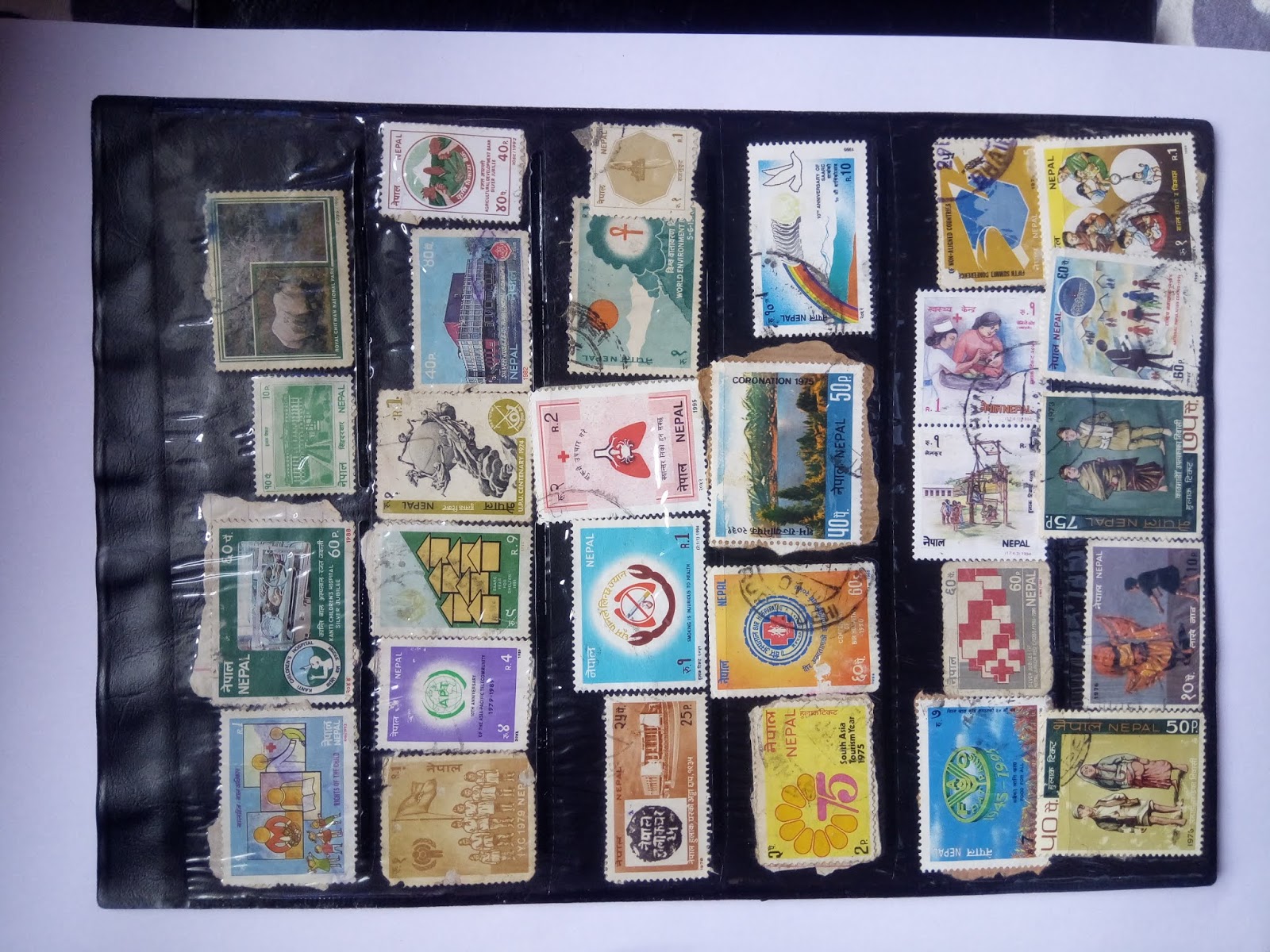
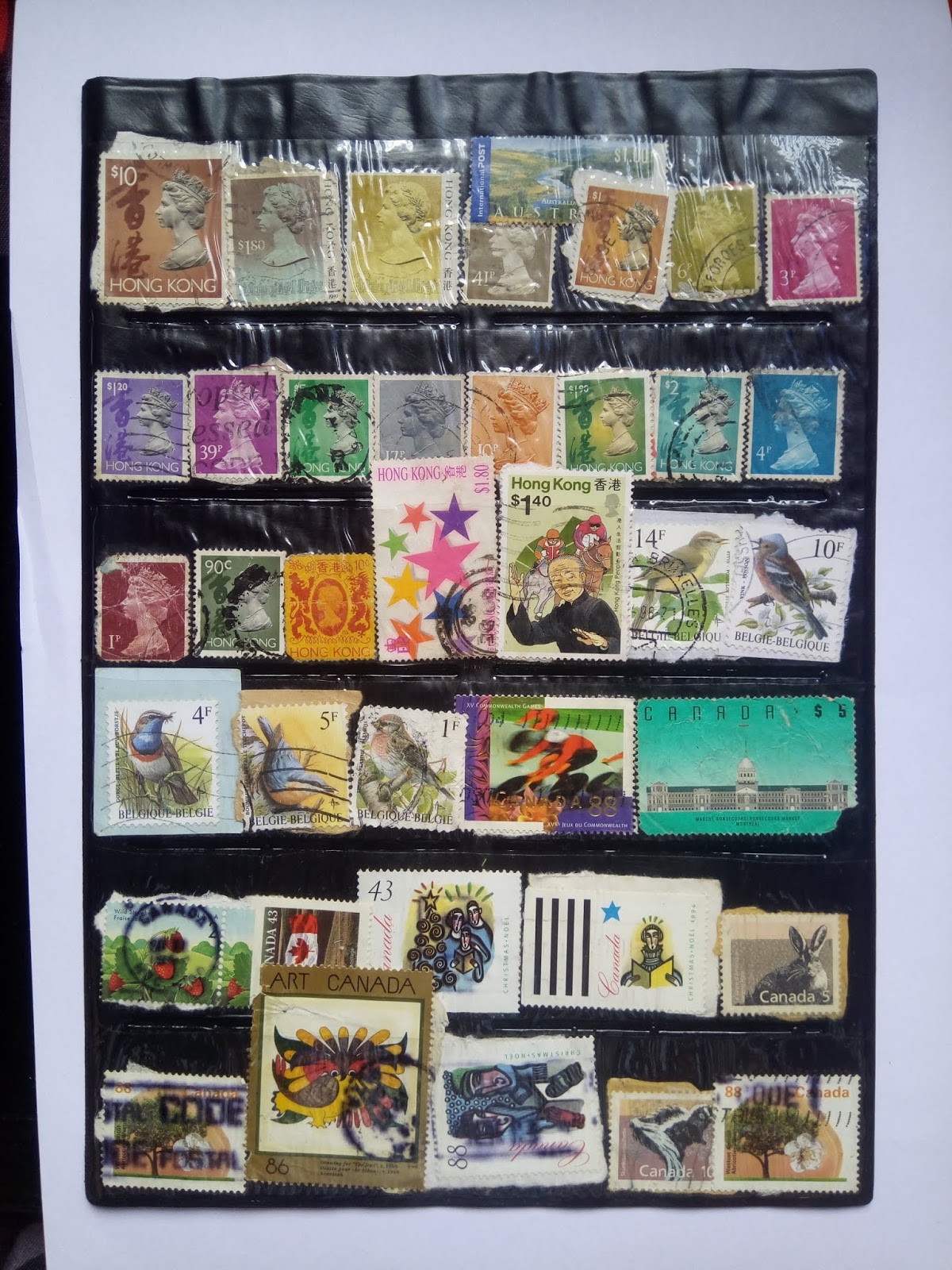
Check Out 1000+ Stamps from Across the World!!! buy directly

Contact +977-9846041140 The Hidden Wealth of Nepal’s Antique Stamps: A Collector’s Guide to History and Value Meta Description: Uncover the secrets of Nepal’s antique stamps, from the 1881 “Sripech” issues to rare telegraph-era gems. Learn about their historical significance, market value, and tips for collectors. Introduction: Stamps as Historical Artifacts Nepal’s antique stamps are more than just postage—they are windows into the Himalayan kingdom’s political evolution, cultural heritage, and artistic ingenuity. Since the first stamps were issued in 1881 under the Rana dynasty, these tiny artifacts have become prized by collectors for their rarity, unique designs, and historical narratives. This guide explores the journey of Nepal’s philatelic treasures, their global value, and how to identify hidden gems in your collection. Section 1: The Birth of Nepal’s Postal System Pre-Stamp Era: Runners and Royal Messengers Long before stamps, Nepal’s postal system relied on horse-mounted messengers during King Prithvi Narayan Shah’s reign (1742–1774). By the mid-19th century, the Rana dynasty formalized postal routes, connecting Kathmandu with cities like Pokhara and Palpa 5. The First Stamps (1881): A Revolutionary Leap In 1881, Prime Minister Ranaudip Singh introduced Nepal’s first postage stamps, printed on a press imported by Jung Bahadur Rana. The inaugural set featured three denominations: 1 Anna (ultramarine) 2 Annas (purple) 4 Annas (green) These stamps, inscribed with “Shri Gorkha Sarkar” (Government of Gorkha), depicted the Sripech (royal headdress) and crossed Khukris (traditional Gurkha knives) 57. Printed on European wove paper, they were initially perforated but later reissued imperforate. Surviving copies are exceptionally rare, with values ranging from 175 t o 175to500+ 7. Section 2: Key Antique Stamps and Their Value 1. The 1881 European Wove Paper Issues Rarity: Only a few hundred original 1881 stamps exist. Their European paper distinguishes them from later native paper printings. Design: Crisp impressions of the Sripech and Khukris, with denominations marked in Nepali script. Value: Pin-perf versions fetch 300 – 300–500, while imperforate copies range from 175 – 175–275 7. 2. The Native Paper Era (1886–1907) After 1886, stamps were printed on handmade Nepalese paper derived from mountain evergreens. These imperforate issues show blurred designs due to plate wear. Key examples: 1886 2 Annas (violet): Valued at 20 – 20–50 7. 1899 ½ Anna Black (Siva’s Bow design): A rare deviation from the Sripech motif, worth $10+ 7. 3. The Telegraph Stamps (1917–1930) Old stamp stocks were repurposed for telegraph fees, marked by crescent-shaped cancellations. These are common but historically significant: 1917 2 Annas (claret/brown): Printed on worn plates, these blurry stamps are valued at 10 – 10–150 7. 4. The Pashupati Series (1907–1935) Featuring the Hindu deity Pashupati, these stamps replaced the Sripech design. Early issues are highly sought after, especially mint-condition examples 512. Section 3: Factors Driving Value 1. Rarity and Print Runs The 1881 European wove paper stamps are Nepal’s rarest due to limited survival. The ½ Anna Black (1899) exists in small numbers, with later color variants (e.g., red-orange) worth $400+ 7. 2. Historical Errors and Variants Plate Retouching: Over 30 printings of the 1 Anna and 2 Anna stamps created subtle design variations, prized by specialists 7. Paper Quality: European vs. native paper can double a stamp’s value. 3. Provenance and Condition Stamps from royal collections or with postal clerk signatures (e.g., the British Guiana 1c Magenta) gain prestige. Mint-condition stamps with original gum command premiums. Section 4: Collecting Challenges and Tips 1. Identifying Authenticity Paper Analysis: European wove paper has a tight mesh, while native paper shows fibrous strands 7. UV Light Checks: Detect forgeries or repairs. 2. Navigating Catalog Limitations Standard catalogs like Scott list only 43 major Nepal stamps (1881–1935), but specialists recognize over 1,300 varieties 512. Reference books like The Classic Stamps of Nepal (Hellrigl/Vignola) are essential for deep study. 3. Market Trends Auction Highlights: The Mauritius “Bordeaux Cover” (featuring two 1847 stamps) sold for $11.94 million in 2021, showcasing the premium for pristine examples 5. Modern Demand: Collectors increasingly seek thematic issues (e.g., Mount Everest, cultural heritage) from the 1960s onward 11. Section 5: Preserving Nepal’s Philatelic Legacy 1. Joining the Universal Postal Union (1959) Nepal’s UPU membership globalized its stamps, increasing their validity and collector appeal 5. 2. Modern Issues and Themes Since the 1960s, Nepal Post has released stamps celebrating: Natural Wonders: Sagarmatha (Everest), Himalayan fauna. Cultural Icons: Hindu festivals, UNESCO World Heritage Sites. Global Events: COVID-19 commemoratives 11. Conclusion: Unearthing Nepal’s Stamp Treasures From the pioneering 1881 Sripech issues to modern thematic gems, Nepal’s stamps offer a rich tapestry of history and artistry. Whether you’re drawn to the rarity of early printings or the storytelling of contemporary designs, these stamps are a testament to Nepal’s enduring legacy. Call to Action: Explore online auctions, specialized dealers, or platforms like PhilaArt to start or expand your Nepal stamp collection 11. Targeted Keywords: Antique stamps Nepal Rare Nepal postage stamps 1881 Sripech stamps value Nepal telegraph stamps Collecting Nepal stamps Further Reading: Nepal Classics Catalog for specialized references 7. Royal Mail’s Guide to Stamp Preservation for conservation tips. By bridging history, art, and investment, Nepal’s antique stamps prove that even the smallest artifacts can hold monumental worth. 🏔️💌

Nepal Pepper (Timur): The Himalayan Spice That’s Gaining Global Attention

  Nepal Pepper (Timur): The Himalayan Spice That’s Gaining Global Attention ​ Introduction Nepal pepper, known locally as Timur (टिम्मुर...