Total Pageviews

Friday, March 28, 2025

The Healing Resonance of Nepalese Singing Bowls: A Symphony for Brain Health

 Introduction

Nestled in the heart of the Himalayas, Nepal is not only a land of breathtaking landscapes but also the birthplace of one of the most revered tools for mental and spiritual well-being: the Nepalese singing bowl. Crafted with centuries-old techniques, these bowls are more than cultural artifacts—they are instruments of healing, capable of harmonizing brain waves, reducing stress, and enhancing cognitive function. This article explores the science, history, and transformative power of Nepalese singing bowls, revealing why they are a timeless ally for brain health.


Historical and Cultural Roots

Ancient Craftsmanship Meets Spiritual Tradition

Singing bowls, often called Himalayan or Tibetan singing bowls, have a contested origin. While some historians trace their use to Buddhist monks in Tibet around 560–480 BC, others argue that their therapeutic application is a modern innovation 14. However, Nepal’s role in preserving this tradition is undeniable. Artisans in Nepal have perfected the craft over generations, using hand-hammered alloys of copper, tin, zinc, and traces of precious metals like gold and silver 58. These bowls were historically used in rituals, meditation, and even as everyday utensils before their therapeutic potential was recognized.

The Nepalese Legacy

Nepal’s spiritual landscape, enriched by Hindu and Buddhist practices, provided fertile ground for sound healing. Monasteries and healers incorporated singing bowls into ceremonies to induce meditative states and “balance energy” (chakras8. Today, Nepal remains a hub for authentic singing bowls, with workshops in Kathmandu and Pokhara producing instruments prized worldwide for their acoustic purity 


The Science Behind Singing Bowls and Brain Health

Brain Wave Synchronization: Theta Waves and Beyond

Modern research validates what ancient practitioners intuited: singing bowls profoundly influence brain activity. A 2023 study published in PMC found that the bowls’ 6.68 Hz beat frequency synchronizes brain waves to the theta range (4–8 Hz), a state linked to deep relaxation, creativity, and meditation 2. Theta waves are associated with reduced anxiety and enhanced problem-solving, making singing bowls a natural tool for mental clarity 26.

Stress Reduction and Cortisol Regulation

Chronic stress elevates cortisol, a hormone harmful to brain structures like the hippocampus. Singing bowl therapy has been shown to lower cortisol levels, promoting a relaxation response. A 2016 observational study noted significant reductions in tension, anger, and fatigue after sessions, with participants reporting a “deep state of relaxation” within 20 minutes 16. This aligns with findings from UCLA and McGill University, which highlight sound therapy’s role in activating the parasympathetic nervous system—the body’s “rest and digest” mode 

Enhanced Meditation and Focus

The bowls’ resonant tones create a binaural beat effect, guiding the brain into focused yet relaxed states. This is particularly beneficial for meditation, as the sustained sound acts as an anchor, minimizing distractions. A 2019 study found that Himalayan singing bowls improved concentration and “vigor” in participants, likely due to increased alpha wave activity (8–13 Hz), which correlates with calm alertness


Benefits for Mental and Emotional Well-being

Anxiety and Depression Relief

Clinical trials demonstrate singing bowls’ efficacy in mental health care. In a 2017 study, 62 participants experienced 40–65% reductions in anxiety and depression scores post-session 6. The vibrations stimulate the vagus nerve, which regulates mood and emotional resilience, offering a non-pharmaceutical alternative for managing conditions like PTSD and chronic stress 37.

Improved Sleep and Cognitive Function

By lowering heart rate and respiratory rates, singing bowls prepare the body for restorative sleep. A 2020 review linked sound therapy to improved sleep quality, crucial for memory consolidation and cognitive performance 1. Users also report heightened creativity and “mental clarity,” likely due to the brain’s shift from beta (active) to theta (meditative) waves


How to Use Singing Bowls for Brain Health

Techniques for Optimal Results

  1. Striking and Circling: Use a padded mallet to strike the bowl’s rim, then circle the rim clockwise to sustain the sound. This creates vibrations that permeate the body and mind 35.

  2. Chakra Alignment: Place bowls on or near the body’s energy centers (e.g., the forehead for the third-eye chakra) to target specific mental blocks 8.

  3. Guided Meditation: Pair bowl sessions with breathwork or visualization to amplify focus.

A Personal Practice Story

A sound healer’s account from Bells of Bliss illustrates the bowls’ transformative power: After a personal tragedy, he rediscovered joy by attuning to a bowl’s “subtle overtones,” which shifted his brain’s focus from grief to peace 4. This aligns with neuroscientific principles of neuroplasticity—how repeated positive stimuli rewire the brain.


Choosing an Authentic Nepalese Singing Bowl

Key Considerations

  • Material: Opt for hand-hammered bronze or crystal bowls, as machine-made versions lack acoustic depth 58.

  • Sound Quality: Test the bowl’s resonance—authentic Nepalese bowls produce rich, layered harmonics.

  • Size: Smaller bowls (6–8 inches) are ideal for beginners, while larger ones (12+ inches) offer deeper vibrations 7.


Safety Considerations

While generally safe, singing bowls are not suitable for everyone. Avoid use if you have:

  • Epilepsy (risk of seizure from rhythmic stimuli) 1.

  • Metal implants (vibrations may interfere with devices) 3.

  • Pregnancy (limited research on fetal effects) 7.


Conclusion

Nepalese singing bowls are a bridge between ancient wisdom and modern neuroscience, offering a holistic path to brain health. By synchronizing brain waves, reducing stress, and enhancing cognitive function, they empower individuals to reclaim mental clarity and emotional balance. Whether used in meditation, therapy, or daily self-care, these bowls remind us—as a Nepalese monk once advised—to simply “listen” 4. In their resonance, we find a timeless echo of healing.

Thursday, March 27, 2025

Discovering Nepal’s Musical Heritage: A Guide to Traditional Instruments in Pardi, Pokhara

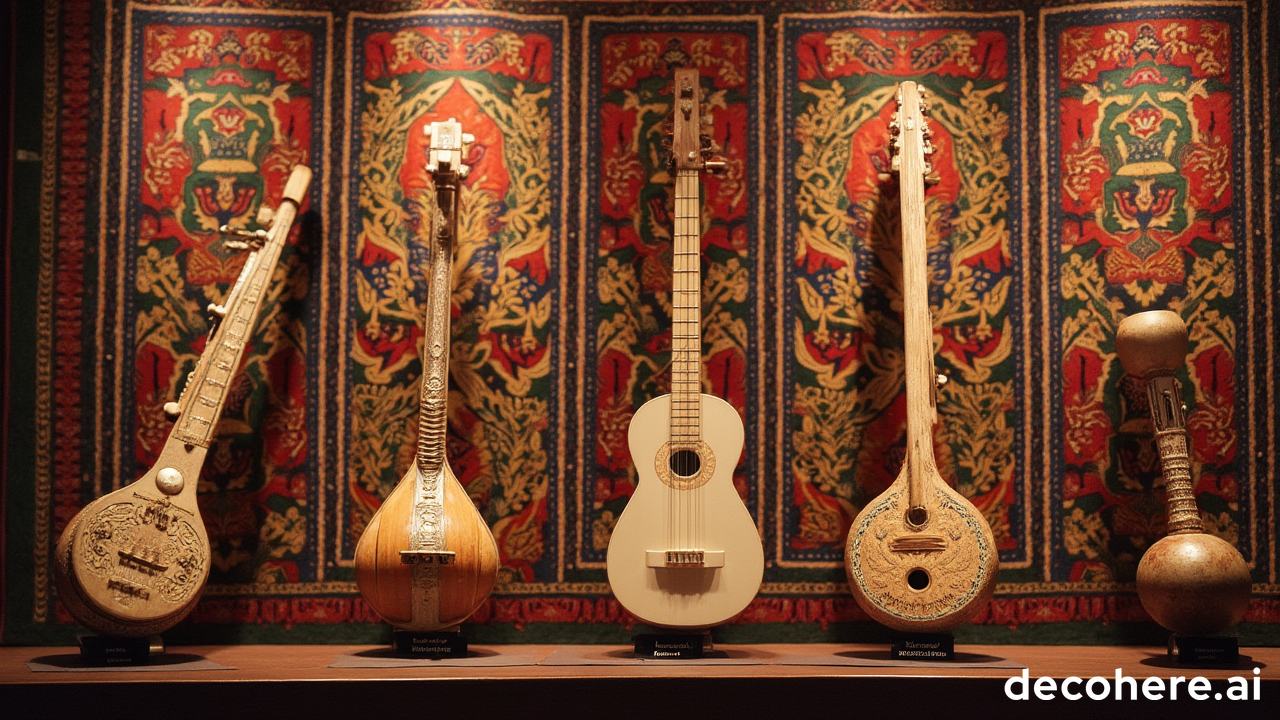
Nestled in the shadow of the Annapurna range, Pokhara is not only Nepal’s adventure capital but also a treasure trove of cultural heritage. Among its bustling markets and serene lakeside neighborhoods, Pardi stands out as a hub for traditional Nepali craftsmanship. Here, shops and artisans preserve centuries-old musical traditions, offering instruments like the murchunga, damaru, and sarangi that echo the soul of the Himalayas. In this guide, we explore the unique musical instruments of Pardi, their cultural significance, and where to find them—perfect for travelers, collectors, and music enthusiasts alike.
Why Pardi, Pokhara is a Cultural Gem Pardi, a vibrant neighborhood near Pokhara’s Lakeside area, is a haven for traditional arts. Known for its artisan workshops and music stores, it’s where Nepal’s folk heritage comes alive. Visitors can: Meet Master Craftsmen: Learn from artisans who handcraft instruments using techniques passed down for generations. Experience Live Demos: Hear the haunting melodies of the sarangi or the rhythmic beats of the damphu. Support Local Communities: Purchasing directly from Pardi’s shops sustains Nepal’s cultural legacy. Traditional Nepali Instruments: A Deep Dive 1. Brass Murchunga (मुर्चुङ्गा) Price: NPR 2,520 (Standard), NPR 3,920 (Professional) Features: A jaw harp made of brass, played by plucking its metal tongue. The professional variant offers thicker, more resonant metal for richer sound. Used in folk songs and Gurung cultural rituals. Cultural Significance: The murchunga is integral to Nepali rural festivals, often accompanying dances like the Selo in Himalayan communities.
2. Damaru (डमरु) Types: Chod Damaru with Ribbon (NPR 800): A small, handheld drum tied with colorful ribbons, used in Buddhist rituals. Copper Damaru (NPR 1,400): Durable and ornate, favored by monks for daily prayers. Symbolism: Represents the union of wisdom and compassion in Tibetan Buddhism. Did You Know? The damaru’s rhythmic beats mimic the sound of a heartbeat, symbolizing life’s impermanence in Buddhist philosophy. 3. Sarangi (सारङ्गी) Decorative Sarangi with Stand (NPR 1,200): A four-stringed fiddle carved from a single piece of wood. Hand-painted with motifs like the “Buddha’s Eyes” or Himalayan landscapes. Role: The soulful sound of the sarangi accompanies Nepali folk ballads (lok dohori) and storytelling. Pro Tip: Visit Pardi’s music shops in the evening to hear local musicians improvise sarangi melodies. 4. Damphu (डम्फु) Price: NPR 4,000 Design: A circular frame drum with goat skin, decorated with traditional patterns. Cultural Use: Central to Tamang and Sherpa dances, the damphu sets the rhythm for festivals like Lhosar. 5. Buddha Eye Flute (बुद्ध आँखा बाँसुरी) Price: NPR 952 Features: A bamboo flute engraved with the “Buddha’s Eyes” symbolizing mindfulness. Produces meditative tones ideal for yoga and spiritual practices. Best For: Travelers seeking a meaningful souvenir or meditation aid.
6. Cow Bell (गाई घण्टी) Price: NPR 1,120 Uses: Traditionally tied to grazing livestock in rural Nepal. Now popular as decorative wind chimes or altar accessories. The Artisans of Pardi: Keeping Traditions Alive Pardi’s instrument makers blend artistry with spirituality. For example: Brass Smiths: Craft murchungas using lost-wax casting, a 2,000-year-old technique. Woodcarvers: Shape sarangis from champ or saal wood, believed to enhance acoustic quality. Painters: Hand-paint Buddhist symbols on damarus using natural dyes. Meet the Makers: Krishna Gurung’s Workshop: Specializes in professional-grade murchungas. Shiva Music House: Offers sarangi-making demonstrations. How to Choose Your Instrument Sound Quality: Test professional vs. standard variants (e.g., thicker brass murchungas for deeper tones). Authenticity: Look for hand-carved details and natural materials. Purpose: Ritual instruments (damaru) vs. decorative pieces (cow bells). Pokhara’s Music Scene: Festivals & Workshops Pokhara Street Music Festival: Hear live performances of traditional instruments every November. Sarangi Masterclasses: Join workshops at the Pokhara Music Center (NPR 500/session).
Supporting Ethical Tourism in Pardi Fair Trade Shops: Himalayan Crafts Collective: Ensures artisans receive 60% of profits. Nepal Folk Art Gallery: Partners with UNESCO to preserve endangered crafts. Avoid Mass-Produced Imitations: Cheap replicas from China lack cultural authenticity. Planning Your Visit to Pardi Location: 2 km from Pokhara’s Lakeside; rent a bicycle or take a taxi (NPR 200). Best Time to Shop: Mornings (9 AM–12 PM), when artisans are most active. Bargaining Tip: Politely negotiate for 10–15% discounts, but respect the craftsmanship. SEO-Optimized FAQs Q: What is the price range for traditional instruments in Pardi? A: From NPR 800 (Chod Damaru) to NPR 4,000 (Damphu), depending on materials and complexity. Q: Are these instruments playable or decorative? A: Both! Clarify with sellers—professional-grade tools are performable, while some are ritual/display items. Q: Can I ship instruments abroad? A: Yes, most shops assist with export paperwork. Budget NPR 2,000–5,000 for international shipping. Q: What’s unique about Pokhara’s music culture? A: Its blend of Tibetan, Gurung, and Thakali influences creates distinct folk sounds. Conclusion: Take a Piece of Nepal’s Soul Home From the hypnotic twang of the murchunga to the sacred beats of the damaru, Pardi’s instruments are more than souvenirs—they’re gateways to Nepal’s spiritual and artistic heartbeat. Whether you’re a musician, collector, or curious traveler, exploring Pardi’s workshops promises an unforgettable encounter with Himalayan heritage. Ready to Explore? Bookmark this guide, pack your curiosity, and let the music of Pokhara inspire your journey. SEO Keywords: Traditional Nepali instruments, Pokhara music shops, buy murchunga in Nepal, Pardi Pokhara crafts, handmade damaru, sarangi price in Nepal, Buddhist musical instruments, ethical shopping Pokhara, Nepali cultural souvenirs.

Tuesday, March 25, 2025

Buy Books in Sanskrit Language | Explore Ancient Wisdom & Literature at Exotic India Art

Discover the finest collection of Sanskrit books—Vedic texts, classical literature, and learning resources. Explore Exotic India Art’s curated library for scholars, students, and enthusiasts. Introduction Sanskrit, the "language of the gods," has been the cornerstone of Indian philosophy, spirituality, and literature for millennia. From the timeless Vedas and Upanishads to the poetic masterpieces of Kalidasa, Sanskrit texts offer a gateway to ancient wisdom, cultural heritage, and intellectual richness. For modern learners and enthusiasts, owning Sanskrit books is not just about preserving history—it’s about connecting with a profound legacy.
Exotic India Art, a trusted platform for rare and authentic Indian art and literature, hosts an unparalleled collection of Sanskrit books. Whether you’re a scholar decoding scriptures or a curious beginner, this guide explores why and how to buy Sanskrit books while highlighting Exotic India Art’s standout offerings. Why Learn Sanskrit? The Timeless Appeal of the Divine Language Before diving into where to buy Sanskrit books, let’s understand why they matter: Cultural Preservation: Sanskrit is the root of 97% of Indian languages and key to understanding Hinduism, Buddhism, and Jainism. Intellectual Enrichment: Study grammar (Vyākaraṇa), logic (Nyāya), and metaphysics through original texts. Spiritual Growth: Access sacred texts like the Bhagavad Gita, Yoga Sutras, and Vedas in their purest form. Linguistic Mastery: Enhance cognitive skills by learning one of the world’s most systematic languages. Top 10 Categories of Sanskrit Books to Explore Exotic India Art’s catalog spans ancient scriptures, literary classics, and modern learning tools. Here are the top categories to explore: 1. Vedas & Upanishads: The Foundation of Sanatana Dharma Overview The Vedas (Rig, Yajur, Sama, Atharva) and Upanishads form the bedrock of Hindu philosophy. These texts explore cosmology, rituals, and the nature of reality (Brahman). Key Titles at Exotic India Art Rigveda Samhita: Original hymns with Sanskrit commentaries. Isha Upanishad: Philosophical insights on unity and detachment. Atharvaveda: Ancient incantations for health and prosperity. Why Buy Here? Authentic Translations: Scholarly works with Hindi/English explanations. Rare Editions: Collect hard-to-find manuscripts like the Maitrayaniya Upanishad. 2. Epics & Puranas: Stories of Gods, Heroes, and Morality Overview The Mahabharata, Ramayana, and Puranas (e.g., Vishnu, Shiva) blend mythology, ethics, and history. Must-Have Books Valmiki Ramayana: Critical editions with Sanskrit verses. Bhagavata Purana: Illustrated stories of Lord Krishna. Harivamsa: A Mahabharata supplement detailing Krishna’s lineage. Unique Offerings Artwork Integration: Books like Devi Mahatmyam feature traditional paintings. Simplified Retellings: Ideal for beginners (e.g., Shrimad Bhagavad Gita for Children). 3. Classical Sanskrit Literature: Poetry, Drama, and Prose Overview Sanskrit literature boasts luminaries like Kalidasa, Bhasa, and Banabhatta. Their works blend aesthetics (rasa) with profound themes. Highlights Abhijnanasakuntalam (Kalidasa): The iconic play about King Dushyanta and Shakuntala. Kadambari (Banabhatta): A pioneering prose romance. Meghaduta (Kalidasa): Lyrical poetry of a cloud messenger. Why Exotic India Art? Bilingual Editions: Sanskrit text with English translations and notes. Commentaries: Expert analyses of literary devices and cultural context. 4. Sanskrit Grammar & Linguistics: Master the Language Overview Panini’s Ashtadhyayi revolutionized linguistics. Modern learners can start with simplified guides. Top Picks Ashtadhyayi of Panini: Standard reference with Hindi explanations. Sanskrit Swyam Shikshak: Self-learning manuals for beginners. Sanskrit-English Dictionaries: Essential tools for students. For All Levels Children’s Primers: Interactive books like Sanskrit Bal Bodh. University-Level Texts: Advanced syntax and phonetics guides. 5. Yoga & Ayurveda: Ancient Sciences in Sanskrit Overview Original texts on Yoga (Patanjali’s Yoga Sutras) and Ayurveda (Charaka Samhita) remain vital for practitioners. Best Sellers Yoga Sutras with Vyasa Bhashya: Foundational commentary on yoga philosophy. Sushruta Samhita: Surgical techniques and herbal medicine. Hatha Yoga Pradipika: Medieval manual on physical and spiritual yoga. Special Features Holistic Bundles: Pair texts with Ayurvedic herb guides or yoga accessories. 6. Buddhist & Jain Texts: Interfaith Wisdom Overview Sanskrit is key to Mahayana Buddhism and Jain canon. Explore texts like Lotus Sutra and Tattvartha Sutra. Notable Works Prajnaparamita Sutras: Mahayana teachings on emptiness. Tattvartha Sutra (Umaswati): Jainism’s core philosophy. Buddha Charita (Ashvaghosha): Poetic biography of Buddha. Why Shop Here? Multilingual Versions: Sanskrit-Pali-Tibetan comparative studies. Academic Resources: Critical editions for researchers. 7. Stotras & Devotional Hymns: Sing the Divine Overview Stotras (hymns) like Shiva Tandava Stotram and Vishnu Sahasranama are spiritual staples. Popular Choices Hanuman Chalisa: Sanskrit devotional hymns with meanings. Devi Stotram: Praise of Goddess Durga in rhythmic verses. Guru Gita: Dialogues between Shiva and Parvati on the guru’s role. Perks Audio Books: CDs/mp3s of chants by renowned priests. Illustrated Editions: Vibrant depictions of deities. 8. Modern Sanskrit Literature: Reviving the Classical Overview Contemporary authors are breathing new life into Sanskrit with novels, essays, and sci-fi! Innovative Reads Sanskrit Science Fiction: Books like Kalakendra by Radhavallabh Tripathi. Sanskrit Poetry Anthologies: Works by modern kavis (poets). Children’s Stories: Moral tales in simple Sanskrit. Exclusive at Exotic India Art Limited Editions: Support living Sanskrit scholars. 9. Academic Research & Critical Studies Overview Scholarly books analyze Sanskrit’s impact on law, science, and global literature. Recommended Reads The Wonder That Is Sanskrit: Essays on linguistic brilliance. Sanskrit and Artificial Intelligence: NASA research on its computational potential. Women in Sanskrit Literature: Feminist critiques of classical texts.
For Researchers Rare Journals: Access publications like Sambhashana Sandeshah. 10. Learning Kits & Gifts: Sanskrit for All Ages Overview Make learning fun with flashcards, games, and art. Gift Ideas Sanskrit Alphabet Posters: Decorative wall art with transliterations. Chakra Stotra Card Decks: Spiritual affirmations in Sanskrit. Sanskrit Calligraphy Sets: Practice writing Devanagari script. Why Buy Sanskrit Books from Exotic India Art? Curated Quality: Each book is vetted for authenticity and scholarly value. Diverse Formats: Choose from hardcovers, paperbacks, eBooks, and manuscripts. Global Shipping: Reliable delivery to the US, Europe, and beyond. Cultural Mission: Supporting traditional publishers and scribes. How to Navigate Exotic India Art’s Sanskrit Collection Search Filters: Sort by price, author, or era (ancient/modern). Bundles: Save on themed sets (e.g., Vedic Literature Pack). Customer Reviews: Check ratings and scholar testimonials. Secure Checkout: Multiple payment options (Credit Card, PayPal). FAQs About Buying Sanskrit Books Q: Are these books suitable for beginners? A: Yes! Exotic India Art offers primers, transliterated texts, and guides. Q: Do you ship internationally? A: Absolutely—expect delivery in 7–15 business days. Q: Can I return damaged books? A: Yes, the platform offers a 15-day return policy. Q: Are eBooks available? A: Select titles are downloadable in PDF format. Conclusion: Embark on Your Sanskrit Journey Whether you’re deciphering the Rigveda or gifting a beautifully illustrated Ramayana, Exotic India Art bridges the ancient and modern worlds. Their collection isn’t just about buying books—it’s about owning a piece of history. Visit Exotic India Art’s Sanskrit Books Section today to begin your exploration. Alt Text for Images: "Ancient Rigveda manuscript with Devanagari script at Exotic India Art." "Illustrated Bhagavad Gita Sanskrit edition with commentary." "Sanskrit learning kit with flashcards and Devanagari alphabet chart."

Timeless Craftsmanship: The Evolution of Wood Carving in Nepal, From Ancient Temples to Modern Art

 Nepal, a land where spirituality intertwines with daily life, has long been celebrated for its intricate wood carvings. These masterpieces, adorning temples, palaces, and homes, are more than decorative art—they are a testament to the nation’s cultural soul. From the sacred pagodas of Kathmandu Valley to contemporary artisan workshops, wood carving in Nepal is a living heritage that bridges centuries of tradition with modern innovation. In this deep dive, we explore the rich history, symbolic significance, and evolving future of Nepali wood carving, revealing why this craft remains a cornerstone of the country’s identity.


The Roots of Nepali Wood Carving: A Divine Legacy

Ancient Beginnings (Pre-12th Century)

Wood carving in Nepal dates back over 2,000 years, with early influences from the Licchavi dynasty (3rd–9th century CE). The Licchavis, known for their patronage of art and architecture, used wood alongside stone to craft temples and statues. The fusion of Hindu and Buddhist motifs during this period laid the foundation for Nepal’s distinctive style.

One of the oldest surviving examples is the Kasthamandap Temple in Kathmandu, built in the 7th century entirely from carved wood. Legend claims it was constructed from a single sal tree, giving Kathmandu its name (“Wooden Temple” in Sanskrit).

Golden Age: The Malla Dynasty (12th–18th Century)

Nepali wood carving reached its zenith under the Malla kings, who ruled the Kathmandu Valley. The Mallas commissioned grandiose palaces, temples, and public spaces adorned with elaborate carvings. Key features of this era include:

  • Toranas (intricately carved tympanums) depicting deities like Shiva, Parvati, and Ganesh.

  • Newari craftsmanship, characterized by lattice windows (tikijhyal), serpentine struts, and floral patterns.

  • Taleju Temple in Bhaktapur, showcasing celestial dancers (apsaras) and mythical creatures.

The Malla period also saw the rise of Guthi Sansthan, community trusts that preserved carving traditions through hereditary artisan families.

Spiritual Symbolism in Carvings

Every chisel mark in Nepali woodwork carries meaning:

  • Peacocks and serpents: Symbolize fertility and protection.

  • Lotus motifs: Represent purity and divine birth in Buddhism.

  • Kirtimukha (“Face of Glory”): A guardian figure warding off evil.


Techniques and Tools: The Artisan’s Alchemy


Traditional Methods

Nepali wood carvers, often belonging to the Newar community, follow techniques passed down through generations:

  1. Wood Selection: Durable, termite-resistant woods like salsisham, and teak are preferred.

  2. Hand Tools: Chisels (kuto), mallets (doko), and adzes shape the wood, while sandpaper made from fish skin smooths surfaces.

  3. Joinery: Artisans use interlocking joints instead of nails, ensuring longevity.

Iconic Styles

  • Paubha-inspired carvings: Religious themes mirroring Tibetan thangka paintings.

  • Peacock windows: Circular lattice designs in Bhaktapur’s palaces.

  • Tudals (struts): Angled supports carved as deities or nymphs.


Wood Carving in Modern Nepal: Challenges and Revival

Decline in the 20th Century

The 1934 earthquake and mid-century urbanization threatened Nepal’s wood carving heritage. Concrete replaced wood in construction, and younger generations pursued non-artisanal careers. By the 1990s, many traditional workshops had shuttered.


Contemporary Renaissance

Today, a blend of cultural pride and tourism has reignited interest in wood carving:

  • UNESCO Recognition: Kathmandu Valley’s monuments were declared a World Heritage Site in 1979, drawing global attention.

  • Artisan Cooperatives: Groups like Bhaktapur Woodcarving Museum train youths in traditional methods.

  • Fusion Art: Modern carvers blend motifs with abstract designs for global markets.

Notable Modern Applications

  • Luxury Furniture: Hand-carved beds and cabinets exported to Europe and North America.

  • Souvenirs: Miniature masks, Buddha statues, and jewelry boxes for tourists.

  • Architectural Restoration: Rebuilding heritage sites post-2015 earthquake using age-old techniques.


Where to Witness Nepal’s Wood Carving Heritage

  1. Bhaktapur Durbar Square: Marvel at the 55-Window Palace and Golden Gate.

  2. Patan Museum: Houses Malla-era struts and toranas.

  3. Boudhanath Stupa: Buddhist woodwork on prayer wheels and monasteries.

  4. Thimi Village: Workshops crafting masks for festivals like Indra Jatra.


The Future of Nepali Wood Carving: Preservation and Innovation

Challenges

  • Deforestation: Scarcity of quality timber.

  • Cheap Imports: Machine-made replicas undercut local artisans.

  • Skill Drain: Youth migration to cities and abroad.

Hope on the Horizon

  • Government Initiatives: Subsidies for artisans and “Made in Nepal” branding.

  • Eco-Friendly Practices: Using reclaimed wood and non-toxic dyes.

  • Digital Outreach: Social media platforms like Etsy and Instagram connecting carvers to global buyers.


How to Support Nepal’s Wood Carving Tradition

  • Buy Authentic: Purchase directly from cooperatives like Dhukuti in Patan.

  • Workshops: Join carving classes in Bhaktapur or Kathmandu.

  • Spread Awareness: Share the stories behind each piece—every carving is a chapter of Nepal’s soul.


Conclusion: Carving a Legacy for Tomorrow

Nepal’s wood carving tradition is more than art—it’s a dialogue between past and present, earth and spirit. As artisans adapt to the modern world without forsaking their roots, this craft continues to tell the story of a nation where every grain of wood holds a universe of devotion. Whether you’re a traveler, historian, or art lover, Nepal’s carved wonders invite you to witness a heritage that’s alive, evolving, and eternally inspiring.

Meta Description: Explore Nepal’s wood carving history—from ancient temples to modern art. Discover techniques, cultural symbolism, and how this craft thrives today in this 2500-word SEO guide.

Keywords: Nepali wood carving history, traditional wood carving Nepal, Kathmandu Valley artisans, Newari woodwork, Bhaktapur Durbar Square, UNESCO heritage Nepal, modern wood carving techniques, Nepal handicrafts.

Monday, March 24, 2025

"Buy Antique in Nepal: Your Ultimate Nepal Antique Shopping Guide for Authentic Nepalese Antiques"

Nepal, a land of ancient traditions and spiritual heritage, is a treasure trove for antique collectors. From intricately carved wooden statues to vibrant Thangka paintings, the country’s markets offer a glimpse into centuries of artistry. Whether you’re a seasoned collector or a curious traveler, this guide will help you navigate Nepal’s antique scene, avoid pitfalls, and bring home authentic Nepalese antiques responsibly.


Why Nepal is a Haven for Antique Buyers

Nepal’s history as a crossroads of Tibetan, Indian, and Himalayan cultures has left behind a rich legacy of art and artifacts. Items like Buddhist statuesNewari wood carvings, and paubha (religious scrolls) are highly sought after. However, buying antiques here requires knowledge of local markets, authenticity checks, and legal guidelines.


Best Places to Buy Antiques in Nepal

1. Kathmandu: The Heart of Antique Trade

  • Asan Bazaar: A bustling market for traditional handicrafts and small antiques.

  • Durbar Square Area: Shops near Kathmandu Durbar Square sell brass idols, vintage jewelry, and ritual items.

  • Specialist Galleries: High-end galleries in Thamel and Lazimpat offer certified Thangka paintings and Buddhist artifacts.

2. Patan (Lalitpur): For Newari Craftsmanship

  • Patan Durbar Square: Famous for authentic Nepalese antiques like metal statues and carved windows.


  • Hakha Bazaar: A hidden gem for antique coins and traditional utensils.

3. Bhaktapur: Timeless Woodwork

  • Taumadhi Square: Discover centuries-old wooden carvings and pottery.

  • Local Workshops: Commission custom pieces directly from artisans.


Types of Authentic Nepalese Antiques to Buy

  1. Thangka Paintings: Religious scrolls depicting Buddhist deities (look for hand-painted details and natural pigments).

  2. Metal Statues: Bronze or copper Buddha and Hindu deity idols.

  3. Newari Wood Carvings: Doors, windows, and masks with intricate designs.

  4. Vintage JewelryTibetan silver necklaces and coral-beaded bracelets.

  5. Ritual Objects: Singing bowls, dorjes (ritual scepters), and prayer wheels.


5 Tips to Ensure Authenticity

  1. Check Materials: Authentic brass or bronze statues feel heavy and have a dull patina.

  2. Ask for Provenance: Reputable sellers provide details about an item’s history.

  3. Avoid “Too New” Items: Fakes often lack wear marks or have overly bright colors.

  4. Look for Certificates: The Department of Archaeology Nepal issues export licenses for verified antiques.


  5. Consult Experts: Hire a local guide or appraiser if unsure.


Legal Guidelines for Buying Antiques in Nepal

  • Cultural Heritage Act: Exporting items over 100 years old is illegal without government permission.

  • Required Documents:

    • Certificate of Authenticity from the seller.

    • Export permit from the Department of Archaeology (apply in Kathmandu).

  • Banned Items: Sacred artifacts, ancient manuscripts, and archaeological relics.


Sample Price Ranges (2024)

  • Small brass statues: 50200

  • Hand-painted Thangka3002,000+ (size/quality-dependent)

  • Vintage jewelry: 20500

  • Newari wood carvings: 1501,500


Ethical Buying Practices

  • Support local artisans by buying directly from workshops.

  • Avoid items that may have been looted from temples or shrines.

  • Prioritize sellers who promote fair trade and cultural preservation.


FAQ: Nepal Antique Shopping Guide

Q: Can I bargain in Nepalese antique markets?
A: Yes! Start at 40% of the quoted price and negotiate politely.

Q: How do I ship antiques home safely?
A: Use reputable couriers, insure the package, and pack items in shock-proof materials.

Q: Are there fake antiques in Nepal?
A: Unfortunately, yes. Stick to certified shops and avoid overly touristy areas.

Q: What’s the best time to visit Nepal for antique shopping?
A: October–December, when markets are stocked post-monsoon.


Final Thoughts

Buying antiques in Nepal is a journey through time, but it demands caution and respect for local laws. Focus on authentic Nepalese antiques from ethical sources, and you’ll own a piece of the Himalayas that carries both beauty and history.


Pro Tip: Pair your shopping with cultural tours! Visit Patan Museum or the National Museum of Nepal to better understand what you’re buying.


"Discover how to buy antique in Nepal with our 2024 guide! Explore markets, verify authentic Nepalese antiques, and learn export laws for a seamless shopping experience."

antique stores,antique malls,

antique shop, antiques roadshow,antique roadshow,antique roadhouse tv show,antique bakery hoboken

Nepal Pepper (Timur): The Himalayan Spice That’s Gaining Global Attention

  Nepal Pepper (Timur): The Himalayan Spice That’s Gaining Global Attention ​ Introduction Nepal pepper, known locally as Timur (टिम्मुर...